Bathroom Remodeling in Long Island City, Queens: NYC Apartment Planning Guide
A Long Island City bathroom remodeling guide covering condo and apartment conditions, building rules, scope questions, wet-area prep, DOB permit caution, and estimate prep.
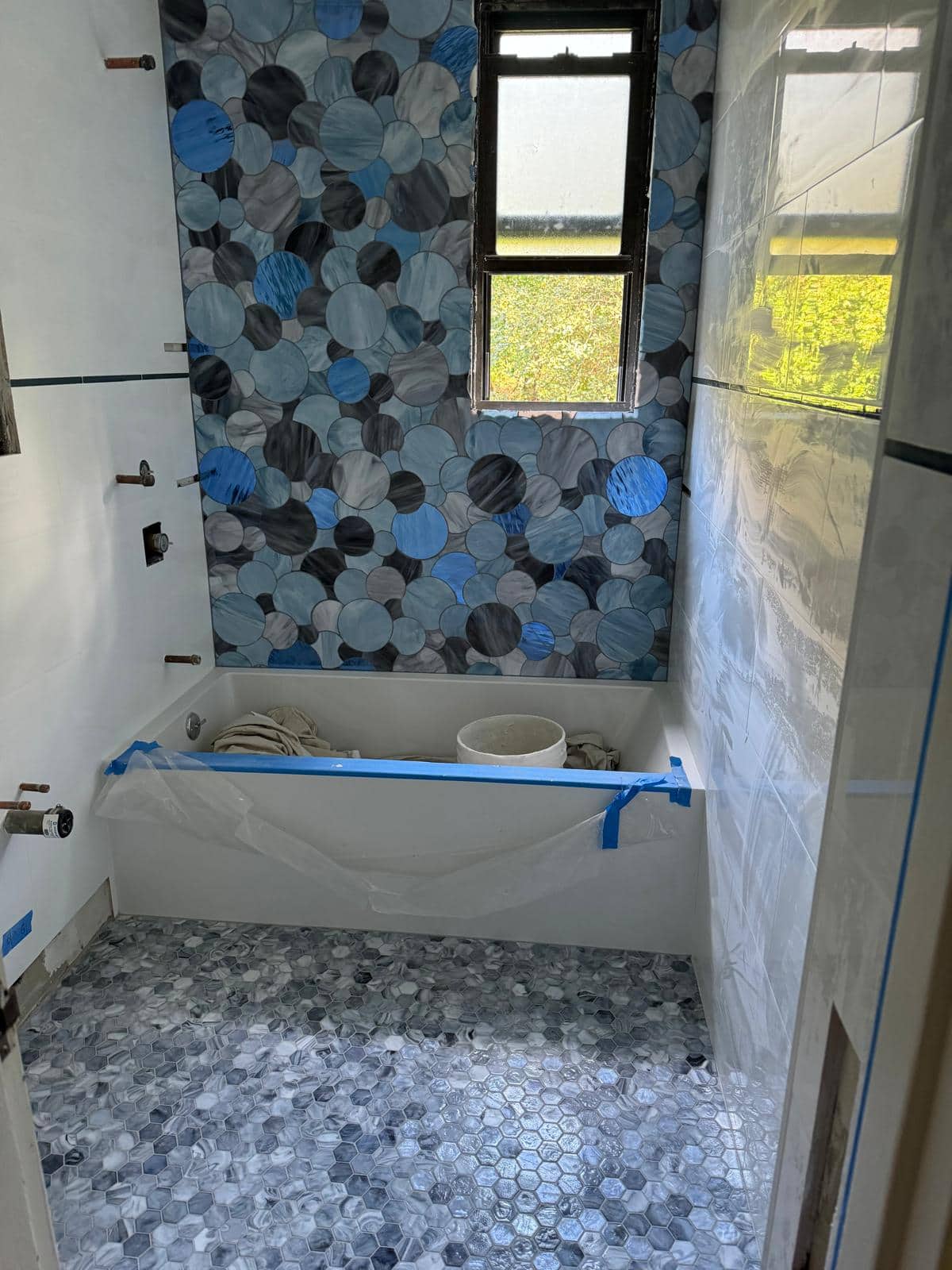
Bathroom remodeling in Long Island City, Queens usually depends on more than tile, fixtures, or a vanity. In NYC apartments and condos, the plan also has to account for building access, existing walls and floors, plumbing or electrical limits, finish transitions, and how new materials meet what stays in place.
LOKEIL Renovation is based in Ridgewood, Queens and handles interior remodeling across Queens, Brooklyn, Manhattan, parts of Long Island, and Westchester. This guide helps Long Island City homeowners prepare a clearer estimate conversation before materials are ordered or demolition starts.
What makes Long Island City bathroom projects different
Long Island City homes can include high-rise condos, co-ops, rentals, converted industrial buildings, multifamily properties, and compact apartments with strict building procedures. Access, work-hour limits, elevator reservations, hallway protection, and superintendent coordination can matter as much as the bathroom size.
Before asking for pricing, describe the building type, floor level, parking or loading situation, service entrance rules, and whether the bathroom needs to remain usable during the project. Those details help separate a focused finish update from a larger renovation scope.
Scope questions to answer before an estimate
The estimate changes quickly depending on whether the job includes only surface finishes or deeper bathroom remodeling. A vanity swap, floor tile update, shower rebuild, plaster repair, painting, fixture replacement, and full bathroom remodel each require different planning.
Write down which surfaces and systems are included before comparing quotes. That prevents a narrow request from turning into a vague renovation after work begins.
- Which surfaces are changing: floor, shower walls, tub surround, vanity wall, ceiling, trim, or paint?
- Are plumbing, electrical, walls, layout, ventilation, or waterproofing changing?
- Are materials already selected, or should the estimate include planning around finish choices?
- Does the building require insurance paperwork, superintendent approval, hallway protection, or restricted work hours?
Details that change cost and schedule
Demolition, surface prep, substrate repair, waterproofing in wet areas, trim, transitions, disposal, paint touch-ups, and punch-list work can affect both cost and schedule. These details are easy to miss if the conversation starts only with tile square footage or a fixture list.
Photos help set expectations, but some conditions only become visible after removal. A responsible plan should distinguish visible scope from possible findings behind tile, under flooring, or behind old plaster.
Related finish decisions should be planned together
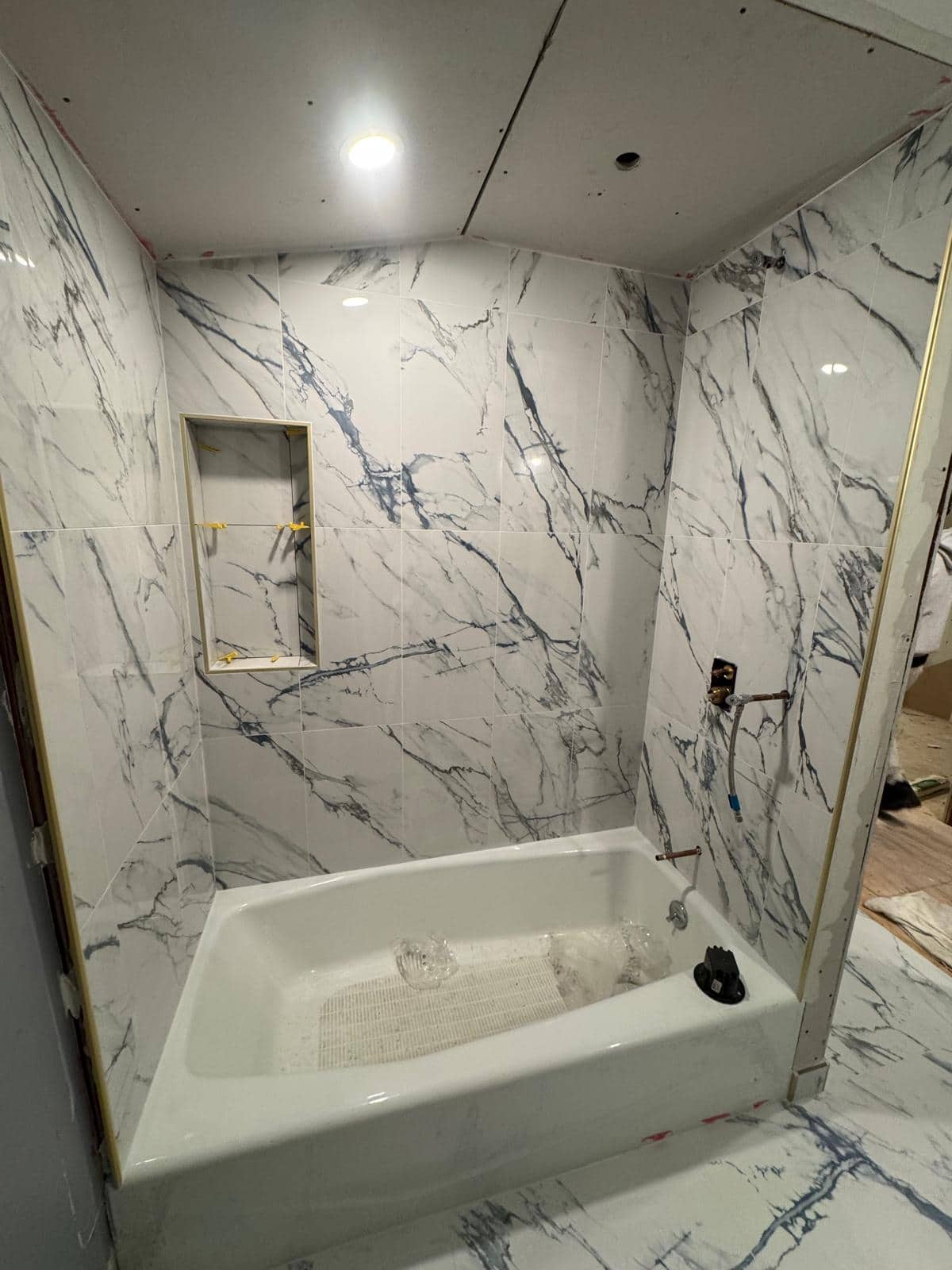
A bathroom remodel works best when shower tile layout, vanity replacement, wet-area prep, storage, lighting, mirror placement, and trim details are discussed together. In a Long Island City apartment bathroom, one choice can quickly affect another.
For example, a new vanity can conflict with existing plumbing or drawer clearance. A shower niche can change tile layout. New floor tile can create doorway transition work. Planning these details early keeps the estimate grounded in the full room.
- Choose tile size, grout color, and edge trim with maintenance and cuts in mind.
- Confirm whether old tile, damaged backing, soft flooring, or water staining may need repair.
- Review vanity, mirror, lighting, outlets, and storage before ordering fixtures.
NYC permit and building-rule caution
NYC Department of Buildings guidance says permit needs depend on the work involved. Cosmetic work can be simpler, while plumbing, electrical, structural, ventilation, layout changes, or larger multi-trade renovations may need licensed professional review and filings.
Building approval is a separate issue. A co-op, condo, rental, or managed building may require insurance paperwork, superintendent coordination, work-hour restrictions, or alteration approval even when the DOB permit question is limited.
What to send LOKEIL for a clearer estimate
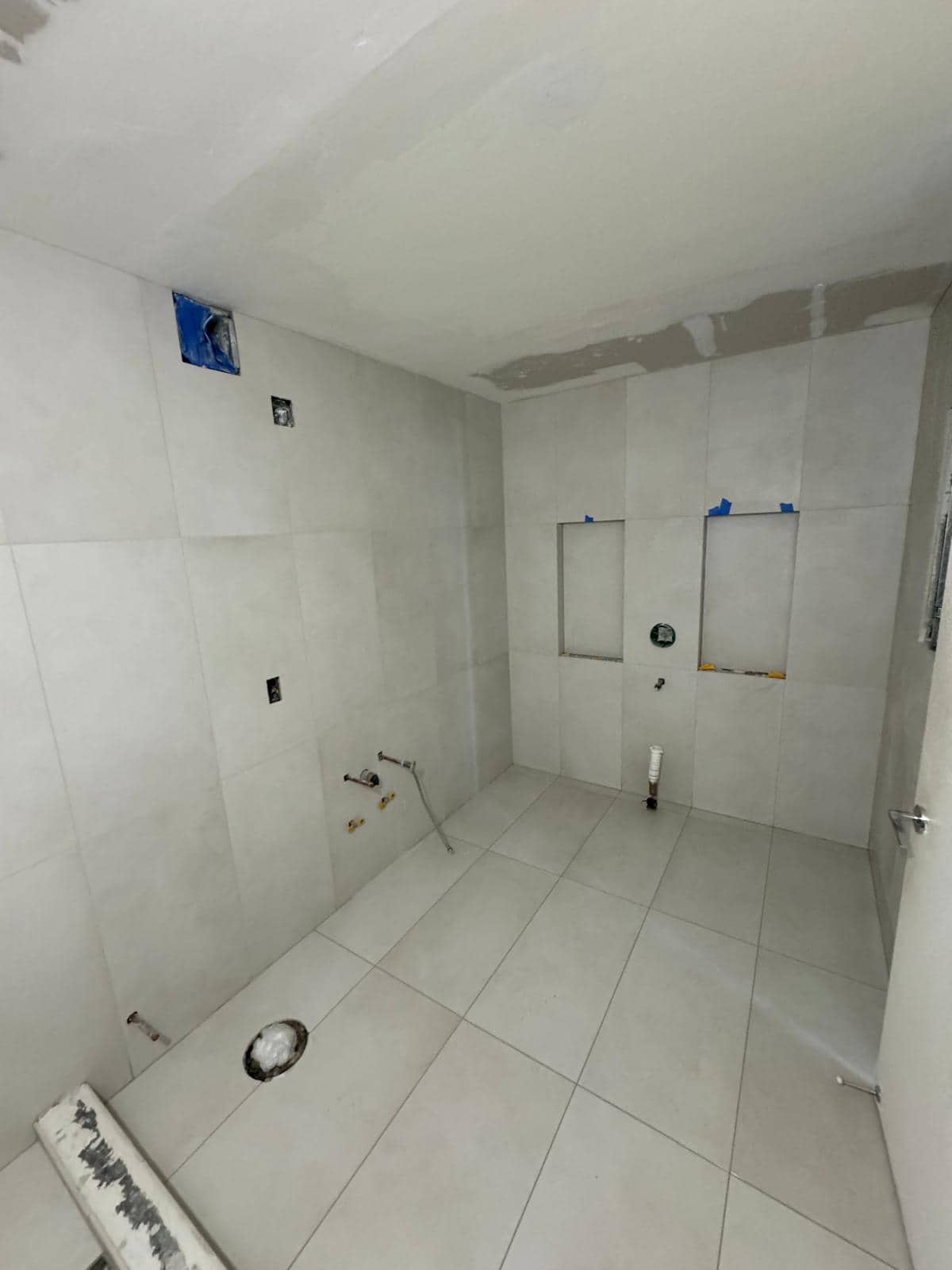
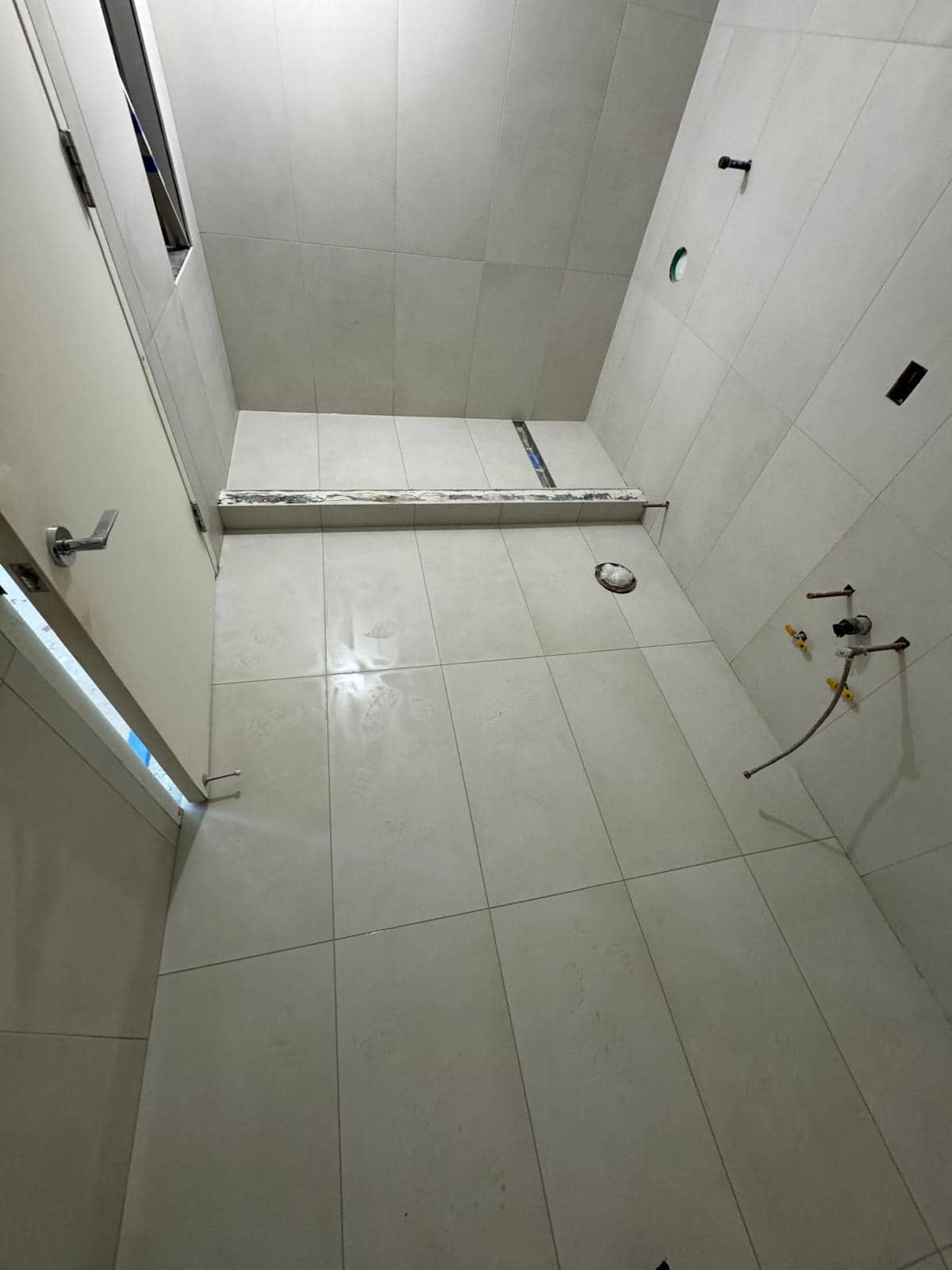
Send wide photos from the doorway and each corner, close-ups of problem areas, rough dimensions, building type, neighborhood, desired materials, timeline, and whether the goal is repair, replacement, cosmetic update, or full remodel.
When contacting LOKEIL Renovation, mention Long Island City, Queens and include any building rules you already have. A clear first message helps the estimate conversation focus on real scope instead of guesses.
Common questions
Does bathroom remodeling in Long Island City, Queens need a permit?
It depends on scope. Cosmetic work can be simpler, but plumbing, electrical, structural, ventilation, layout changes, or larger multi-trade renovation should be checked against DOB guidance and building rules.
Can LOKEIL work in co-op or condo buildings in Long Island City, Queens?
LOKEIL can review Long Island City apartment, co-op, condo, and private-house bathroom scopes. Each building may have its own insurance, access, work-hour, protection, and superintendent requirements.
What photos should I send before asking for a bathroom remodeling estimate?
Send wide room photos, close-ups of problem areas, rough dimensions, building type, current vanity and plumbing photos, shower or tub photos, material ideas, and any building alteration rules you already have.