Bathroom Remodeling in Astoria, Queens: NYC Apartment Planning Guide
An Astoria, Queens bathroom remodeling guide covering scope, apartment conditions, building rules, tile, waterproofing questions, DOB permit caution, and estimate prep.
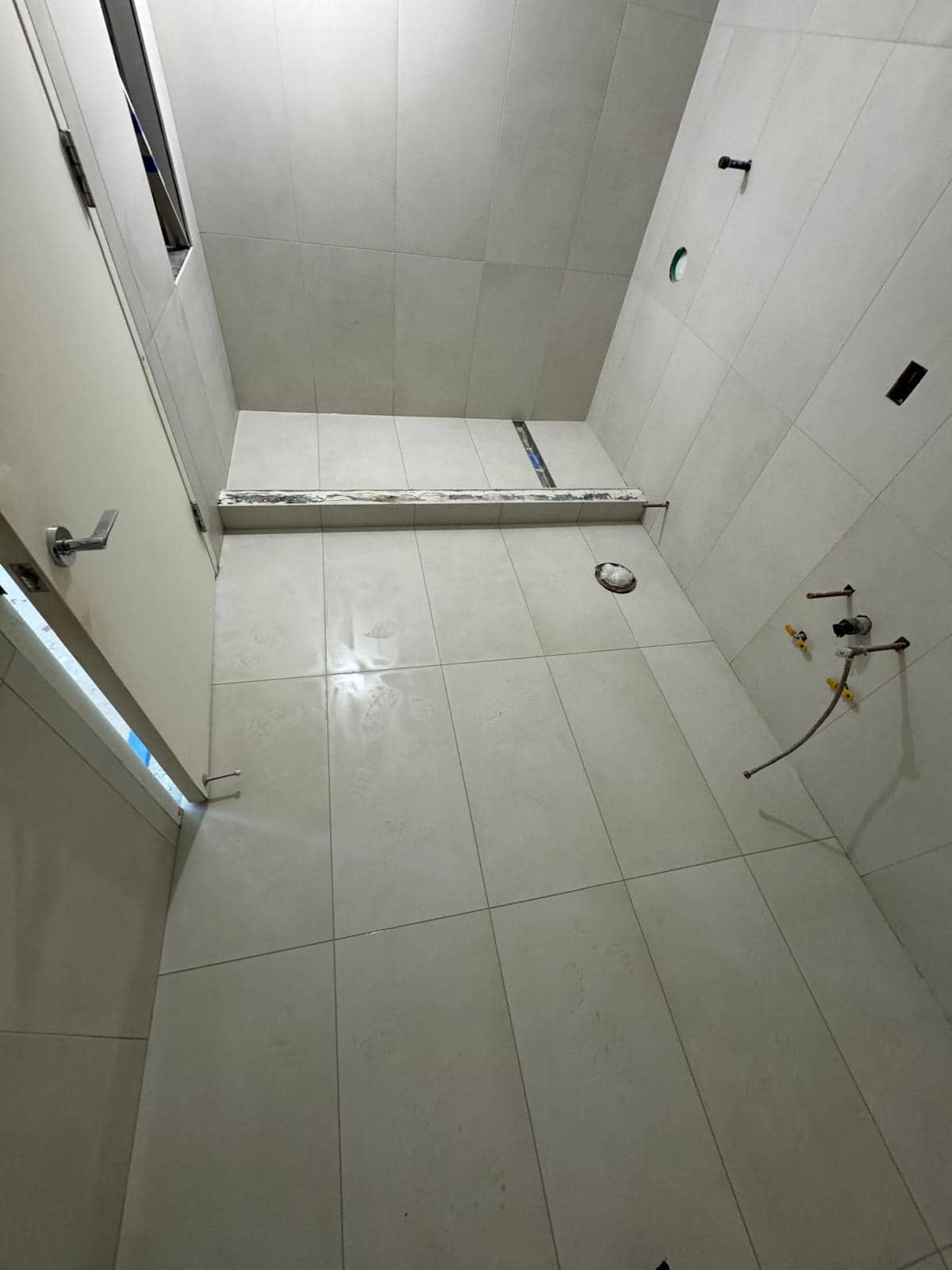
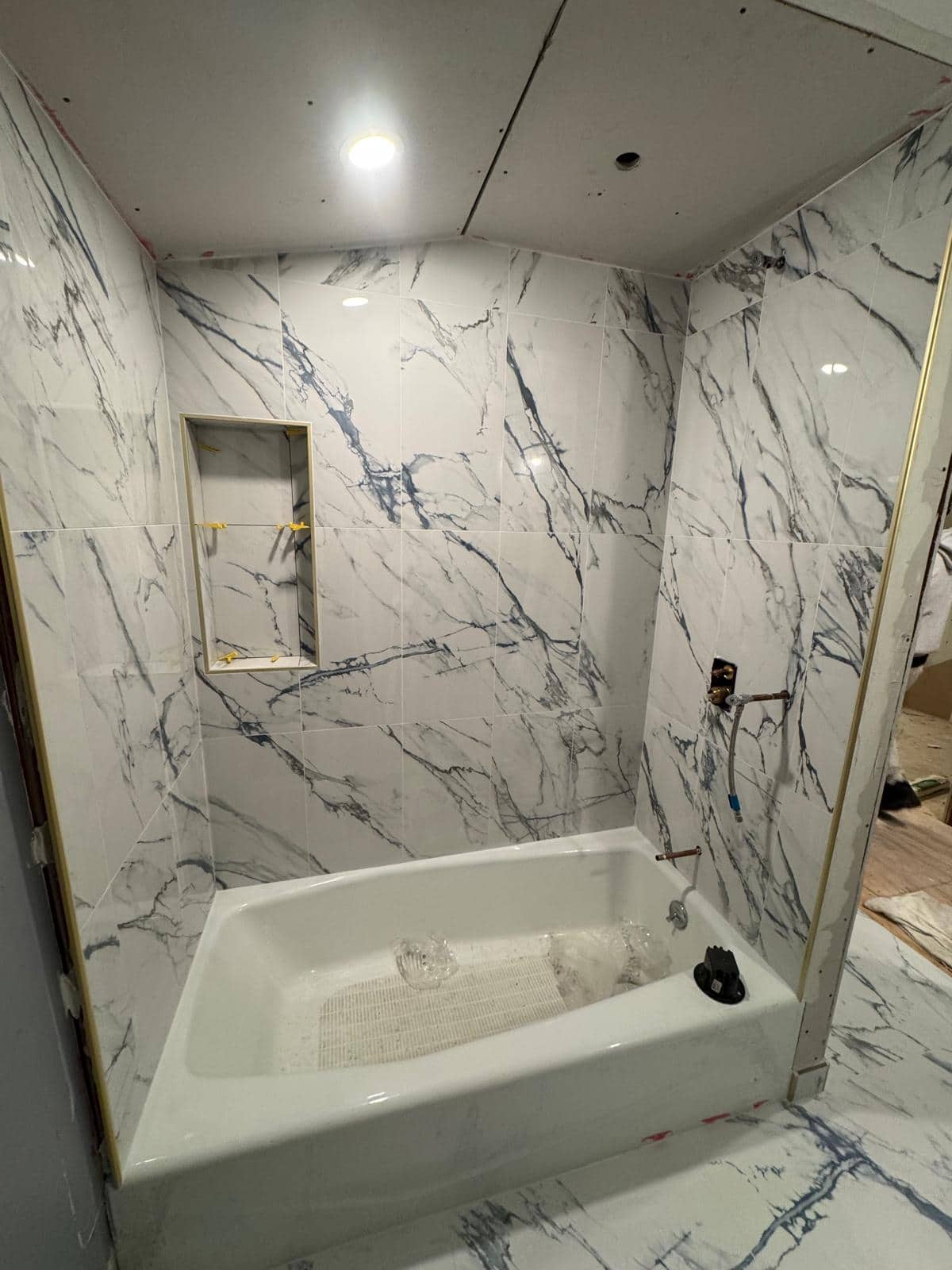
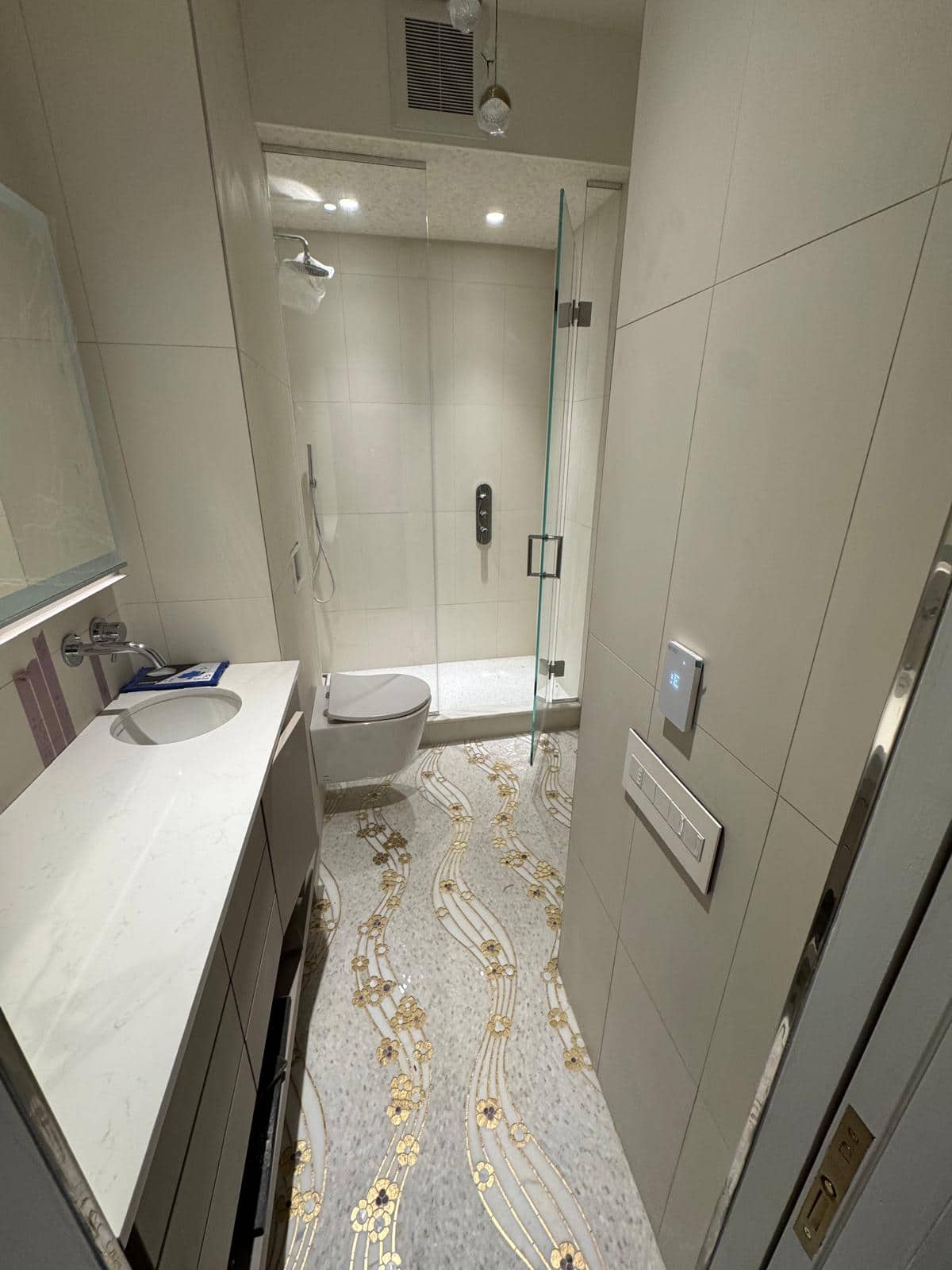
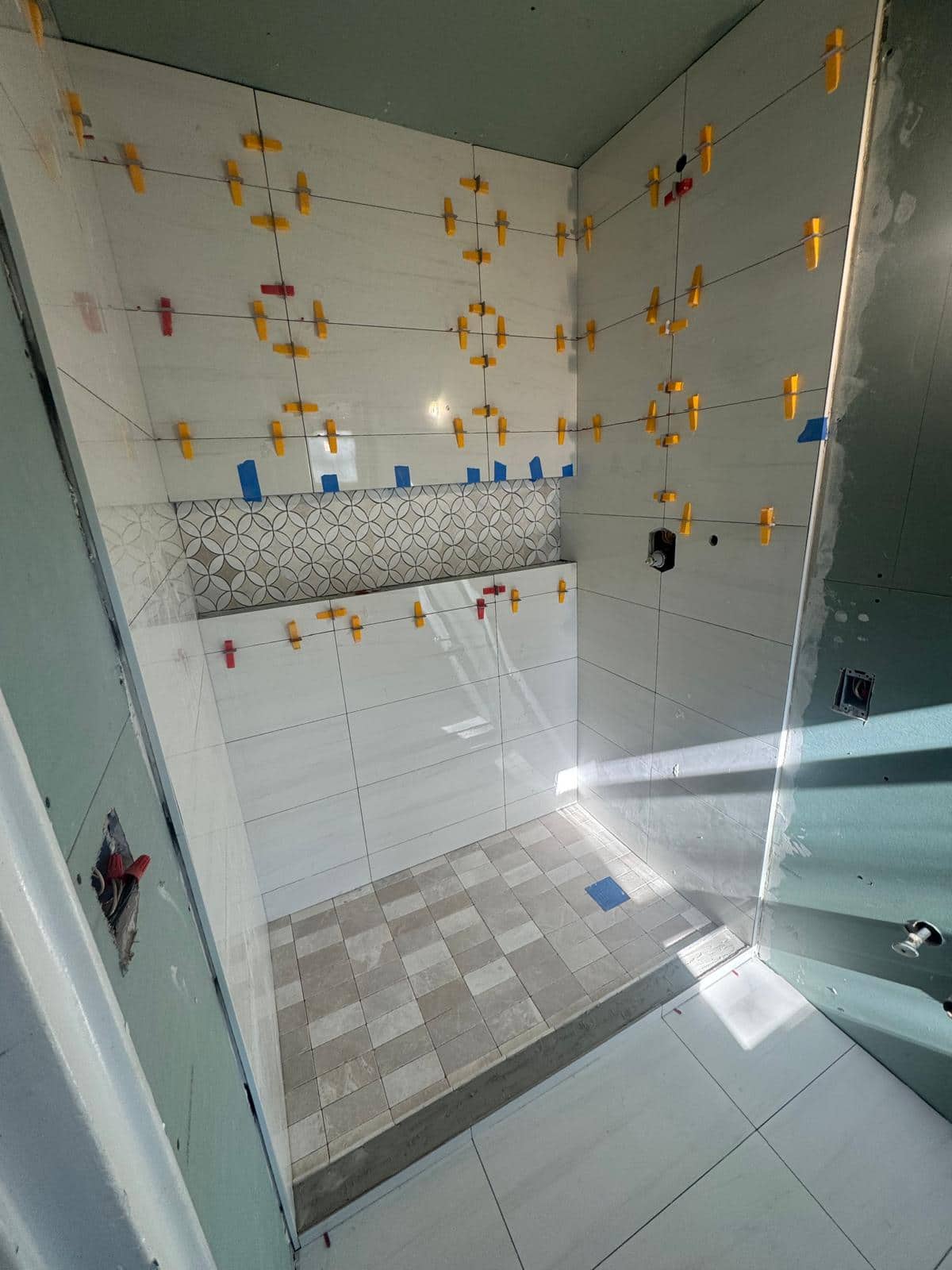
Bathroom remodeling in Astoria, Queens usually starts with a style goal, but the real scope is decided by apartment conditions, building rules, existing plumbing, old walls and floors, and how new finishes meet what stays in place.
LOKEIL Renovation is based in Ridgewood, Queens and handles interior remodeling across Queens, Brooklyn, Manhattan, parts of Long Island, and Westchester. This guide is for Astoria homeowners who want a clearer estimate conversation before materials are ordered or demolition starts.
Astoria bathroom projects need room-by-room clarity
Astoria homes can include prewar apartments, condos, co-ops, multifamily buildings, and compact private-house bathrooms. The estimate changes quickly depending on whether the work is a cosmetic refresh, a fixture replacement, tile work, shower rebuilding, or a full bathroom remodel.
Before calling a contractor, write down exactly which surfaces are changing: floor, shower walls, tub surround, vanity, toilet, lighting, mirror, trim, paint, ceiling, door, storage, and ventilation. That list prevents a small bathroom request from becoming a vague renovation.
- Separate must-do repairs from nice-to-have finish upgrades.
- Note whether plumbing, electrical, layout, or ventilation may change.
- Photograph every wall before assuming a same-size replacement will fit.
Building rules can affect cost and schedule
Many Astoria apartments and managed buildings require certificate of insurance paperwork, superintendent coordination, restricted work hours, hallway protection, elevator or stair rules, and debris removal planning. These rules can affect the schedule even when the bathroom itself is small.
Ask the building or managing agent for alteration requirements before work starts. If the building has plumbing shutoff procedures, noise windows, or protection standards, sharing those details early helps the project plan stay realistic.
- Confirm work-hour limits before scheduling noisy work.
- Ask whether hallway, lobby, elevator, or stair protection is required.
- Check whether plumbing shutoffs need superintendent approval.
Old surfaces deserve a real prep conversation
A bathroom can look ready for new tile while hiding soft subfloor, uneven walls, loose backing, old water damage, layered paint, cracked grout, or patched plaster. Surface prep can decide whether the finished room looks clean and lasts.
Photos help set expectations, but some conditions only become visible after removal. A responsible estimate should distinguish visible scope from possible substrate findings instead of pretending every bathroom begins from a perfect surface.
Tile, waterproofing, and fixture choices should line up
Shower tile, bathroom floor tile, niches, curbs, tub surrounds, grout, edge trim, and transitions all connect. Choosing tile without discussing wet-area prep, plumbing fixtures, and layout can create expensive changes later.
For wet areas, ask how the shower or tub surround will be prepared behind the visible tile. For floors, ask about transitions at the doorway, vanity footprint, toilet flange, and any leveling or repair work needed before tile goes down.
Vanity, mirror, lighting, and storage should be planned together
A new vanity can change plumbing conflicts, drawer clearance, mirror width, outlet placement, light height, and storage. In a tight Astoria bathroom, the best-looking cabinet may still be wrong if it blocks daily use.
Photograph inside the existing vanity before removal so drain and supply lines are visible. Also measure the distance to the toilet, tub, shower glass, entry door, radiator, and side walls before buying anything.
Permit questions depend on the actual scope
NYC Department of Buildings guidance says permit needs depend on the work involved. Cosmetic updates can be simpler, while plumbing, electrical, wall, ventilation, layout, structural, or multi-trade changes may need licensed professional review and filings.
Building approval is a separate question from DOB permits. A co-op, condo, rental, or managed building may still require paperwork and approval even when the construction scope is limited.
What to send for a clearer Astoria estimate
Send wide photos from the doorway and each corner, close-ups of damaged areas, rough dimensions, building type, neighborhood, desired materials, timeline, and any alteration rules. Include whether the goal is repair, replacement, cosmetic update, or full remodel.
When contacting LOKEIL Renovation, mention Astoria and describe the room in plain terms: what is staying, what must change, what problems exist now, and whether any building approvals are already known.
Common questions
Does bathroom remodeling in Astoria, Queens need a permit?
It depends on scope. Cosmetic finish work can be simpler, but plumbing, electrical, wall, ventilation, layout, structural, or larger multi-trade work should be checked against DOB guidance and building rules.
Can LOKEIL work in co-op or condo buildings in Astoria?
LOKEIL can review Astoria apartment, co-op, condo, and private-house bathroom scopes. Each building may have its own insurance, work-hour, access, and superintendent requirements.
What photos should I send before asking for a bathroom remodeling estimate?
Send wide room photos, close-ups of problem areas, rough dimensions, building type, current vanity and plumbing photos, shower or tub photos, material ideas, and any building alteration rules you already have.