Loading LOKEIL Renovation…
Remodeling blog
Bathroom Remodeling Cost in Queens, NY: What Changes the Price
A practical Queens bathroom remodeling cost guide covering scope, tile, plumbing, layout, permits, and estimate questions for NYC homeowners.
bathroom remodeling cost Queens NY6 min read
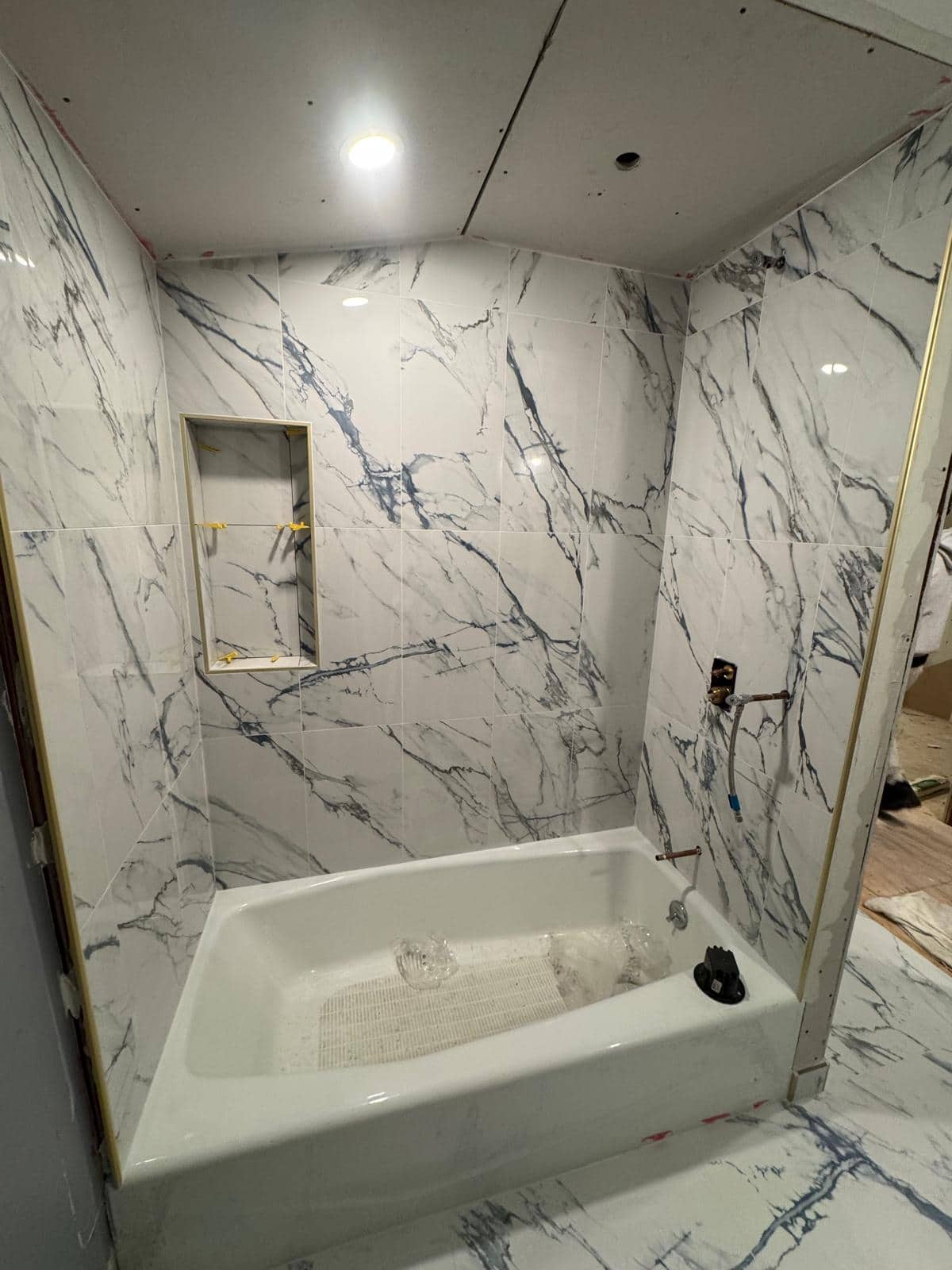
Most Queens homeowners search bathroom remodeling cost because they are trying to separate a simple refresh from a real renovation. The price changes quickly when the project moves from paint, fixtures, and surface updates into tile demolition, waterproofing, plumbing, electrical, or layout work.
LOKEIL Renovation works from Ridgewood, Queens and focuses on bathrooms, tile, flooring, plaster, painting, cabinetry, and finish details. This guide explains what usually moves the estimate so the first conversation is clearer.
Start with the real scope
A bathroom refresh may keep the same layout and focus on surfaces: paint, plaster repair, vanity replacement, mirror, hardware, lighting trim, or new cabinet storage. A remodel usually goes deeper. It may include tile removal, shower wall rebuilds, floor leveling, waterproofing, niche details, fixture changes, or a new tub-to-shower layout.
When comparing quotes, make sure each contractor is pricing the same scope. One estimate may include demolition, substrate prep, waterproofing, tile setting, grout, trim, and finish work. Another may only describe the visible finish.
- Low-disruption refresh: paint, plaster, vanity, hardware, and direct fixture replacement.
- Tile-led remodel: shower walls, bathroom floor, waterproofing, niche, curb, bench, or tub surround.
- Layout renovation: plumbing or electrical moves, wall changes, or a changed bathroom footprint.
Tile and waterproofing drive a lot of the budget
Tile is one of the biggest swing factors in a Queens bathroom renovation. Large-format tile, patterned layouts, herringbone, niches, benches, miters, and small mosaic floors take more layout time than a basic straight-set installation. The prep behind the tile matters just as much as the tile face.
For shower areas, the buyer should ask how the walls, seams, corners, curb, and niche will be waterproofed before tile goes on. Clean grout lines are visible, but waterproofing is what protects the bathroom after the project is complete.
Plumbing and electrical changes raise complexity
Keeping the toilet, tub, shower, and vanity in the same location usually keeps the job simpler. Moving supply lines, drains, outlets, switches, ventilation, or lighting can require additional licensed trade coordination and may affect permitting.
A remodel can still be worth it when the old layout does not work, but homeowners should know that layout changes are usually planning decisions, not just style decisions.
Questions to ask before requesting an estimate
A better estimate starts with better information. Before calling, take photos of the bathroom from all corners, note what you want to keep, and decide whether the layout should stay the same. If you already have tile, vanity, fixtures, or inspiration photos, mention them early.
- Is this a refresh, tile remodel, or layout change?
- Are the tub, shower, toilet, and vanity staying in the same place?
- Do you want a niche, bench, glass panel, new floor tile, or new lighting?
- Are there known leaks, soft floors, cracked tile, or ventilation problems?
Common questions
What is the fastest way to get a bathroom remodel estimate in Queens?
Send photos, the property location, the current bathroom size, the desired scope, and whether plumbing fixtures are moving. That helps LOKEIL separate surface work from deeper renovation work.
Is tile installation usually part of a bathroom remodel?
Yes, tile is often central to a bathroom remodel, especially for shower walls, tub surrounds, bathroom floors, niches, and finish transitions.
Does every Queens bathroom remodel need a permit?
No. Some minor work may not need a work permit, but many NYC kitchen and bathroom renovations do. A licensed professional or DOB guidance should be used when the scope includes plumbing, electrical, walls, or layout changes.
Sources
Keep planning
More Queens remodeling guides.
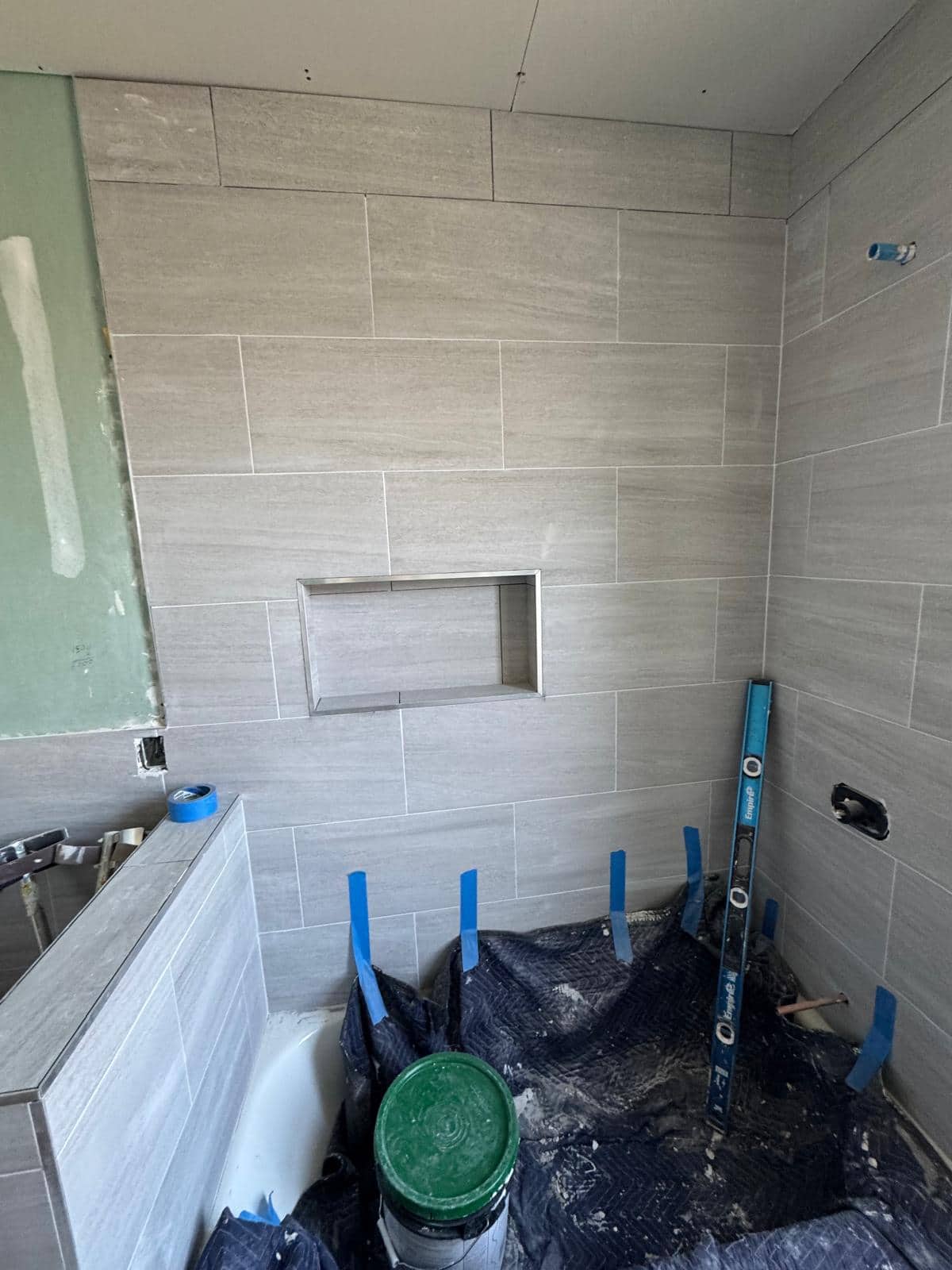
Bathroom Remodeling in Jackson Heights, Queens: NYC Apartment Planning Guide
A Jackson Heights bathroom remodeling guide covering apartment access, co-op and condo rules, old surfaces, wet-area planning, permit caution, and estimate prep.
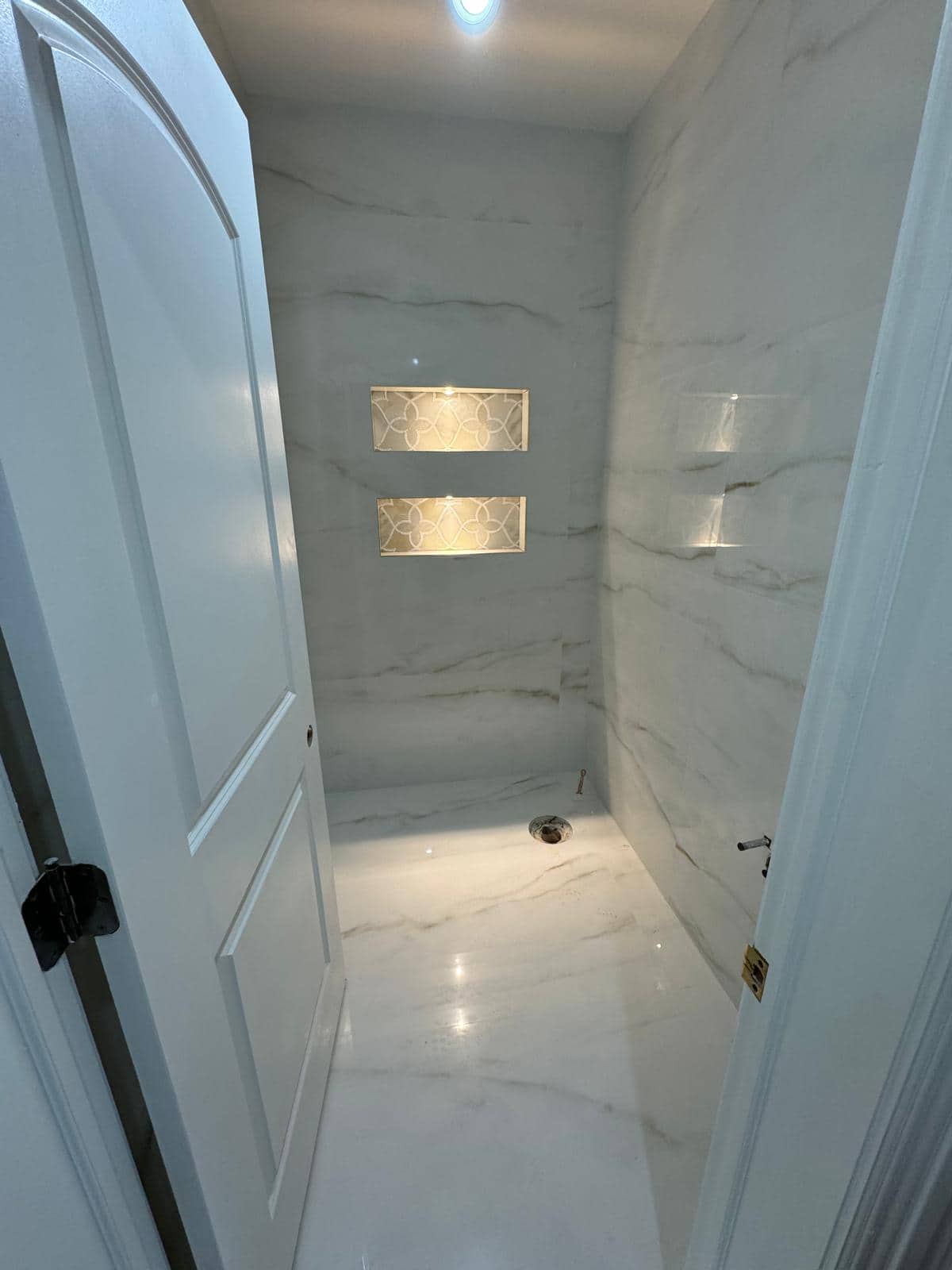
Bathroom Remodeling in Woodside, Queens: NYC Apartment Planning Guide
A Woodside bathroom remodeling guide covering apartment access, scope questions, surface prep, wet-area planning, DOB permit caution, and estimate prep.
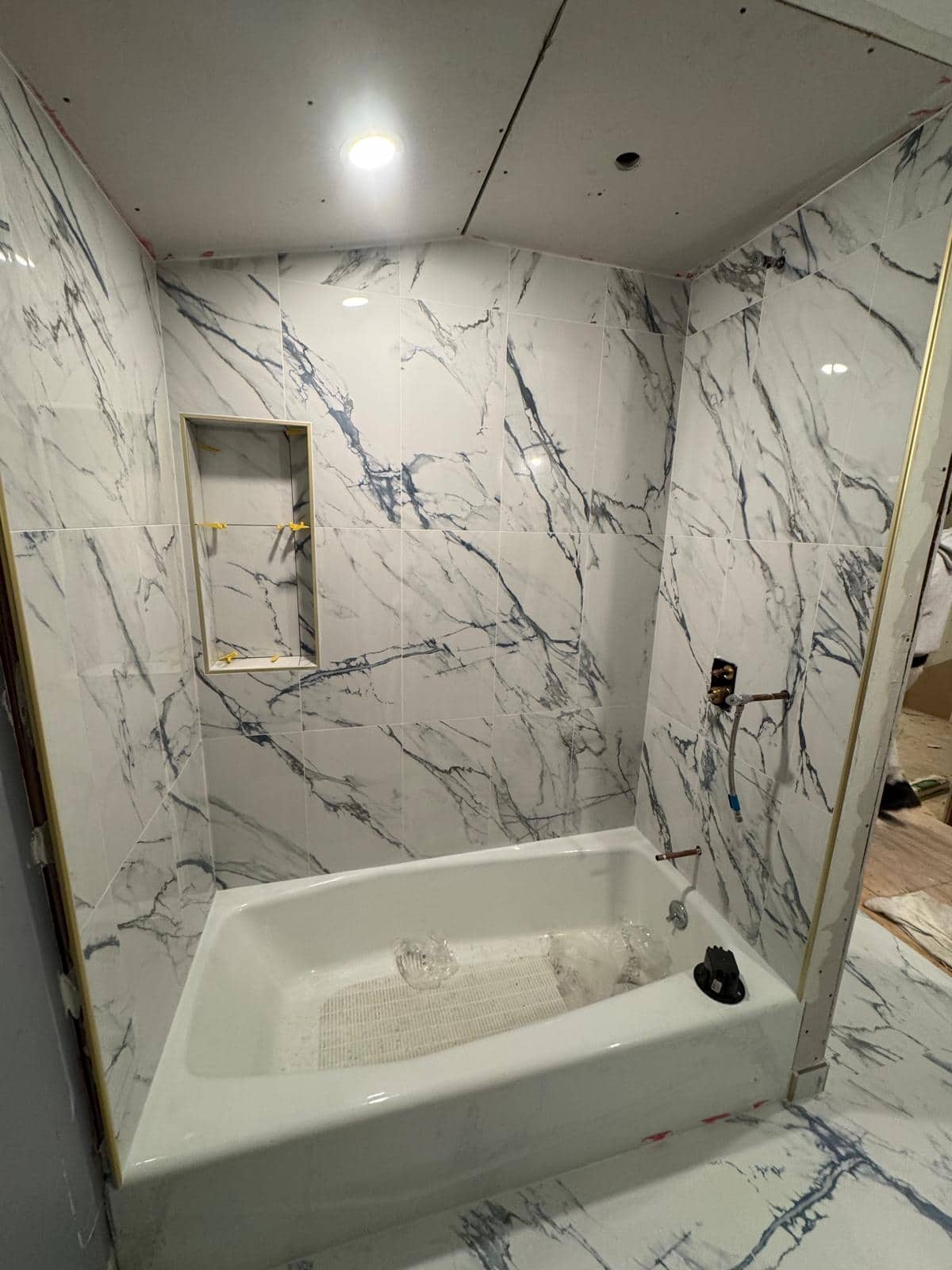
Bathroom Remodeling in Sunnyside, Queens: NYC Apartment Planning Guide
A Sunnyside bathroom remodeling guide covering apartment conditions, building rules, scope questions, wet-area prep, DOB permit caution, and estimate prep.